The Check Engine Light
The "Check Engine" light is a dashboard warning indicator that alerts you to potential issues within your vehicle's engine or emissions system. It can signify anything from minor problems, like a loose gas cap, to more serious mechanical failures. Ignoring the light can lead to reduced performance or costly repairs. Prompt diagnosis is key to maintaining your vehicle's health and safety.
What is a check engine light?
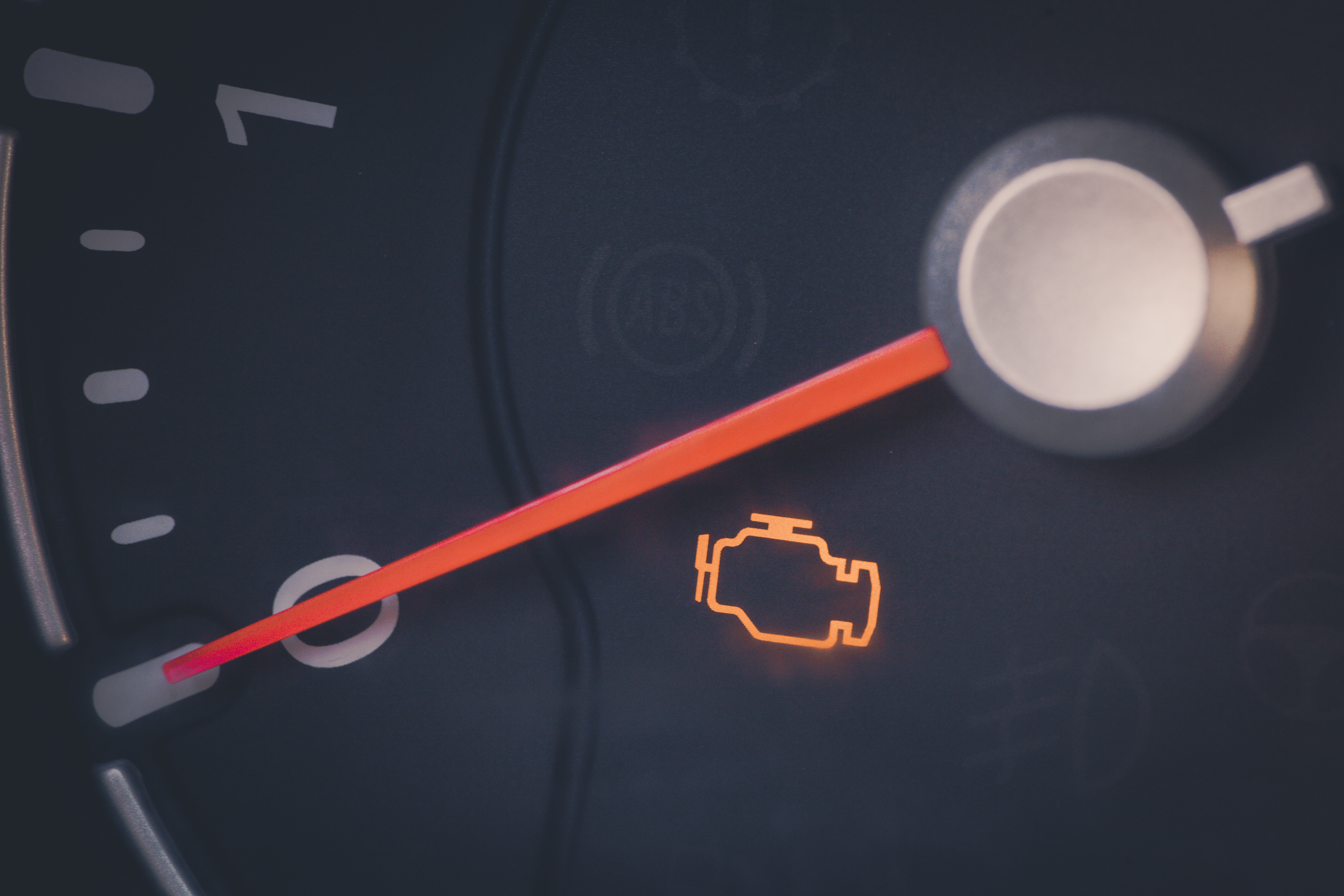
The "Check Engine" light, also known as the Malfunction Indicator Lamp (MIL), is a warning light on your vehicle’s dashboard that signals something is wrong with the engine or emissions system. Controlled by the car’s onboard diagnostics (OBD-II) system, the light turns on when the system detects a malfunction, which could range from minor issues, such as a loose gas cap or a faulty oxygen sensor, to more serious problems like engine misfires or catalytic converter failure.
How does it work?
When the "Check Engine" light illuminates, it may be either steady or flashing, depending on the severity of the issue. A steady light typically indicates a less urgent problem, though it should still be addressed promptly. A flashing "Check Engine" light often signals a more critical issue, such as an engine misfire, which requires immediate attention to avoid damaging the engine or other systems.
What to do if your check engine light turns on?
The OBD-II system can store diagnostic trouble codes (DTCs) that provide more specific information about the issue triggering the light. A mechanic or a diagnostic tool can read these codes to determine the exact cause of the warning. Addressing the "Check Engine" light early is important to prevent further damage, improve fuel efficiency, and ensure your vehicle remains safe and reliable.
The "Check Engine" light can diagnose a wide range of issues in your vehicle's engine and emissions systems. Here are some common problems that may trigger the light:
Loose or Faulty Gas Cap: A loose or damaged gas cap can cause a drop in fuel pressure, leading to an emissions system error.
Oxygen Sensor Failure: The oxygen sensor measures the amount of unburned oxygen in your car's exhaust. A faulty sensor can reduce fuel efficiency and increase emissions.
Catalytic Converter Issues: The catalytic converter helps reduce harmful emissions. A failure can cause reduced performance, poor fuel economy, and increased pollutants.
Faulty Mass Airflow Sensor (MAF): The MAF sensor monitors the amount of air entering the engine. If it malfunctions, it can cause poor fuel economy or engine performance.
Ignition Coil or Spark Plug Issues: Problems with the ignition coil or spark plugs can lead to engine misfires, causing the "Check Engine" light to flash.
Malfunctioning EGR Valve: The exhaust gas recirculation (EGR) valve helps reduce emissions. If it fails, it can lead to rough idling or poor fuel efficiency.
Vacuum Leaks: A vacuum leak can cause the engine to idle poorly, misfire, or have a rough performance. This can trigger the light as it affects emissions.
Faulty Exhaust Gas Recirculation System: This system helps reduce emissions, and when it's malfunctioning, the vehicle's performance and emissions can suffer.
Transmission Problems: Sometimes, issues in the transmission, such as sensor failures or pressure issues, can cause the light to come on.
Faulty Thermostat: A faulty thermostat can lead to the engine running at improper temperatures, affecting performance and fuel efficiency.
EVAP System Issues: The evaporative emissions control (EVAP) system prevents gasoline vapors from escaping. A leak or malfunction in this system can trigger the light.
Can I drive with the check engine light on?
Driving with the "Check Engine" light on is generally possible, but it depends on the nature of the issue. If the light is steady, it often indicates a non-critical issue, such as a minor sensor malfunction, and you might be able to drive cautiously while seeking a repair. However, if the light is flashing, it usually signals a serious problem, like an engine misfire, which could lead to significant damage if not addressed immediately. In either case, it's important to have your vehicle inspected as soon as possible to prevent further damage and ensure safe operation.
What can happen if the problem is not addressed?
Ignoring a "Check Engine" light can lead to worsening damage, higher repair costs, and reduced fuel efficiency. Minor issues, like a faulty sensor, can escalate into serious engine or emissions problems, affecting your vehicle's performance and increasing harmful emissions. In extreme cases, neglecting critical issues such as engine misfires or transmission problems can lead to engine failure and create safety risks on the road. Promptly addressing the light helps prevent costly repairs and ensures your vehicle remains safe and efficient.

Resources
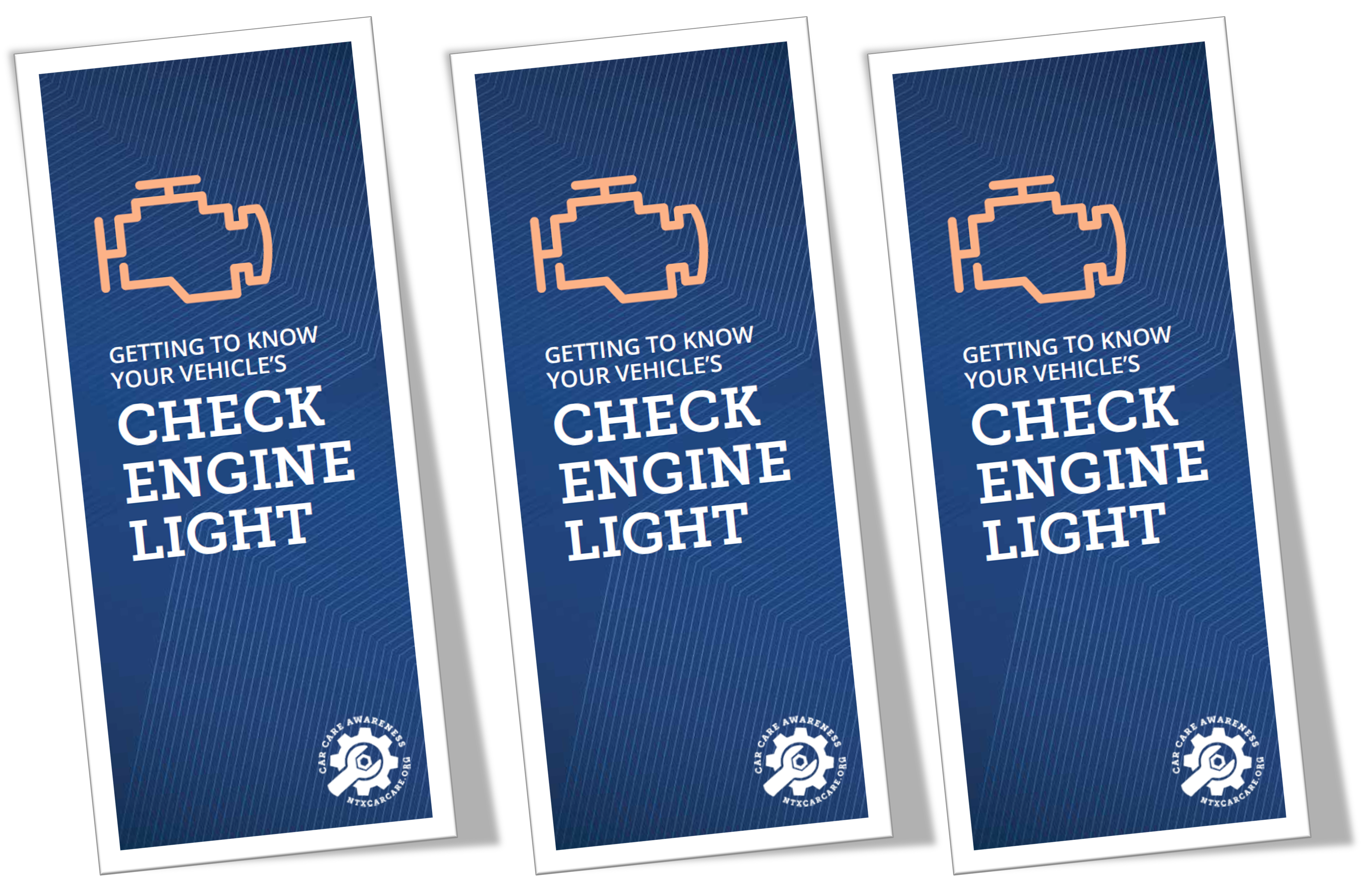
Download our free Check Engine Light brochure to help educate your community about a vehicle's engine and emissions systems. The brochure can be shared online or printed for distribution.